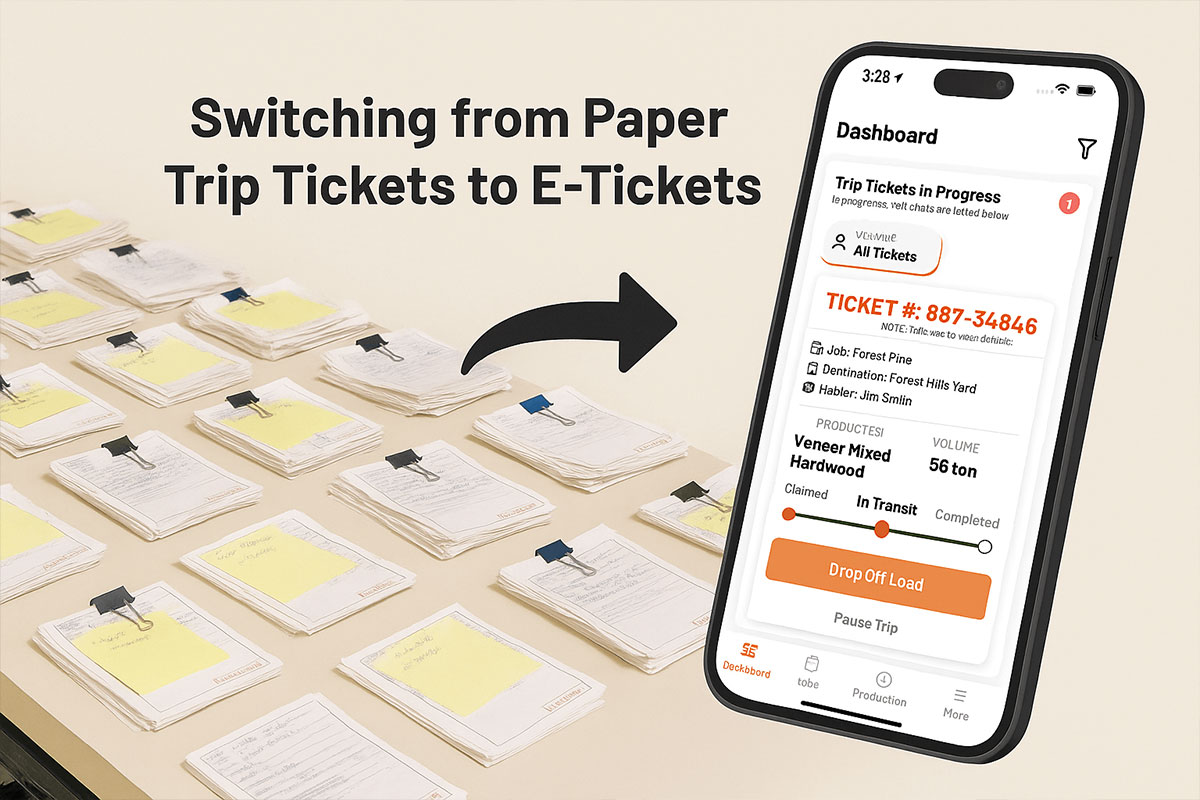
For decades, the forest products supply chain has run on paper. Paper tickets, paper reports, paper trails — and all the inefficiencies and risks that come with them. But the industry is changing. Digital trip tickets (or “e-tickets”) are emerging as one of the most transformative technologies in modern forestry.
In this article, we break down what changes when your organization transitions to digital trip tickets, who is impacted, and why the entire supply chain stands to benefit.
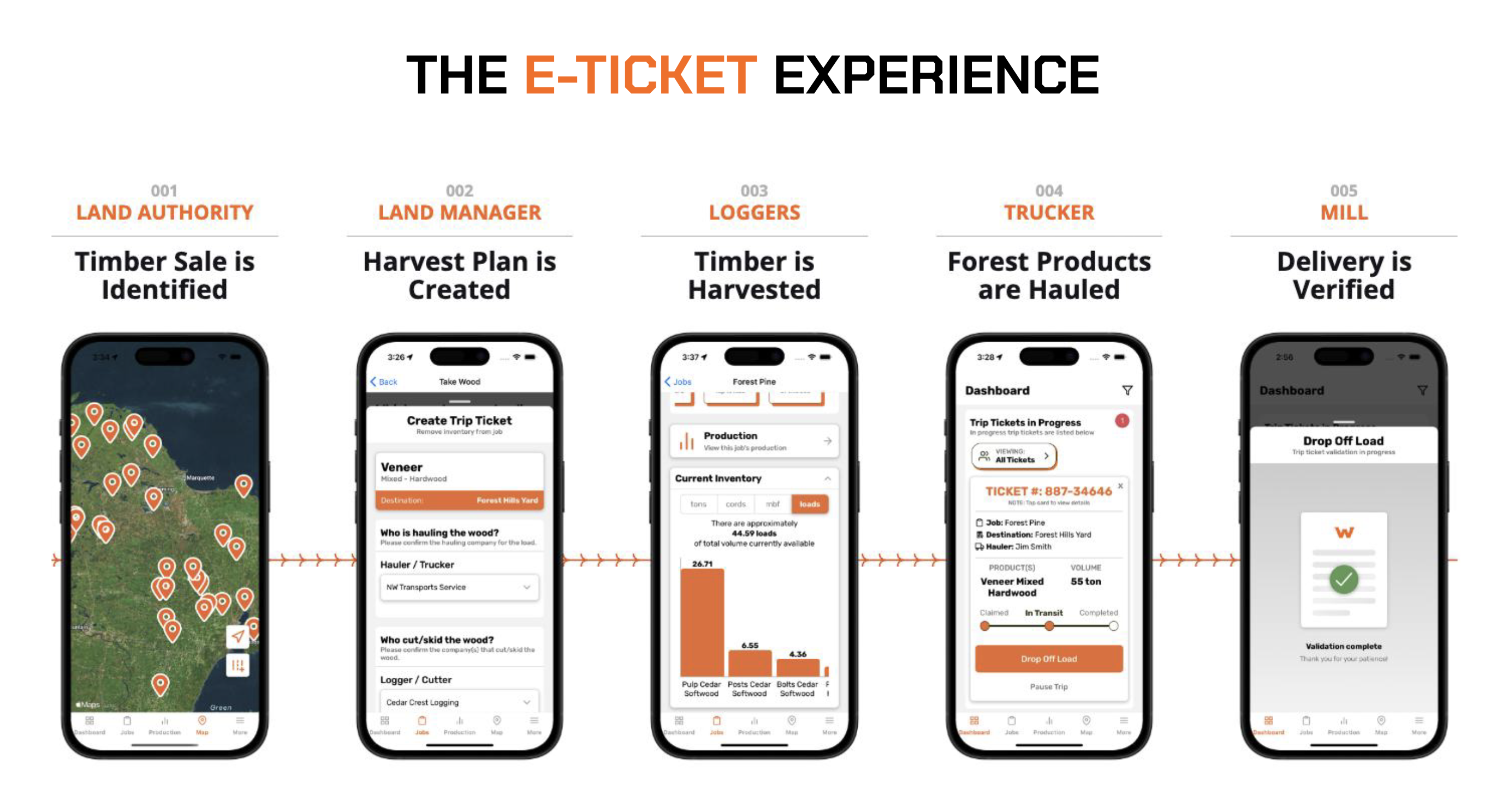
The forest products supply chain relies on five primary stakeholder groups:
Each plays a crucial role in ensuring wood moves securely from stump to mill. A single bottleneck or missing ticket affects everyone downstream.
Digital trip tickets provide something paper never could:
A single source of truth for all stakeholders
Digital tickets connect operations, compliance, accounting, logistics, and audit requirements across the entire supply chain.
Paper tickets are an established system — but they’re also full of pain points:
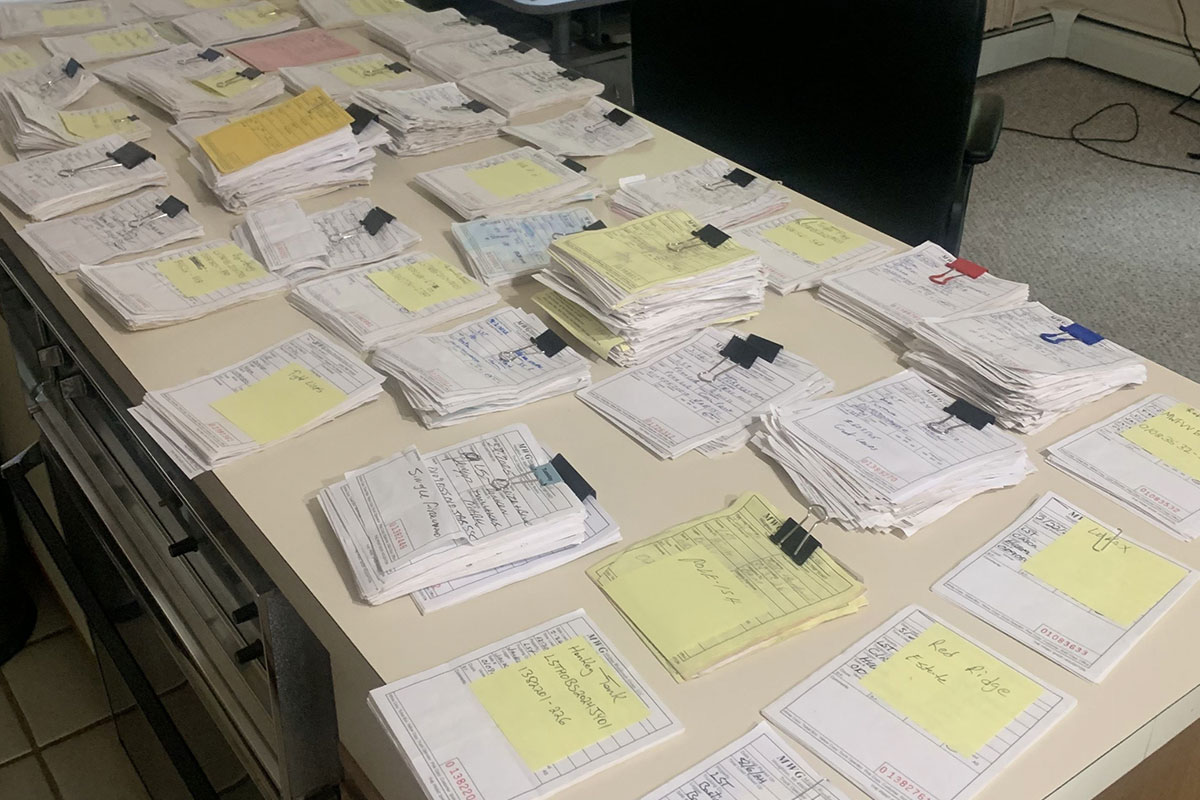
Stacks upon stacks of handwritten paper tickets spread across a desk — a physical reminder of inefficiency.
The benefits of switching to digital are significant, when done properly.
Unfortunately, most E-Tickets fail to produce an experience that's adequate to meet the complex demands of the forestry supply chain.
At Waldo, we've heard almost every objection in the book, and there are a lot of them.
Fear of change is the #1 objection to adopting digital tickets. But every stakeholder group is willing to use digital trip tickets if their specific needs are met.
Real-time wood flow, streamlined reporting, effective harvest operations, simplicity, and proof that their contractors will adopt it (See Waldo's Harvest Operations solution)
Reliability, offline capability, speed, simplicity, and zero extra data entry. (See Waldo's Trucker solution)
Less paperwork, fewer errors, easier reporting, and clear settlement visibility. (See Waldo's Logger solution)
Slip data accuracy, better fiber security, EUDR-ready location data, and clean integration with scales. (See Waldo's Mill Solution)
Less paperwork, fewer errors, and compatibility with existing systems.
Proven ROI, smooth deployment, and confidence the supply chain will adopt it.
Real-time load tracking without driving site to site, offline support, and simplicity.
An e-ticketing solution can’t stand on its own — it must fit seamlessly within the forest industry’s broader operating environment.
Digital tickets must ingest harvest maps, GPS coordinates, and geo-referenced data.
The e-ticket becomes the backbone of operational data — enabling chain-of-custody, analytics, and future AI tools.
E-ticket data must cleanly export into systems such as:
Based on industry feedback, the “must-haves” include:
Without these, adoption suffers. With them, traction accelerates.
Waldo has spent years perfecting the e-ticket experience. Having heard every objection, Waldo has been able to solve problems for every wood sort in most regions in the world. Not only has Waldo built the industry's premiere digital ticket, but Waldo also supports the entire forestry supply chain with a connected suite of tools built around digital trip tickets. This includes:
Waldo’s approach is simple:
When every link in the chain succeeds, the whole supply chain wins.
Switching to digital trip tickets isn’t just a technology upgrade — it’s a transformation of how wood moves, how data flows, and how people work across the forest products supply chain.
The organizations that adopt early are gaining efficiency, transparency, and competitive advantage. The ones who wait are increasingly falling behind.
If you’d like help assessing your process, modeling ROI, or seeing a personalized demo, reach out anytime to Waldo.